

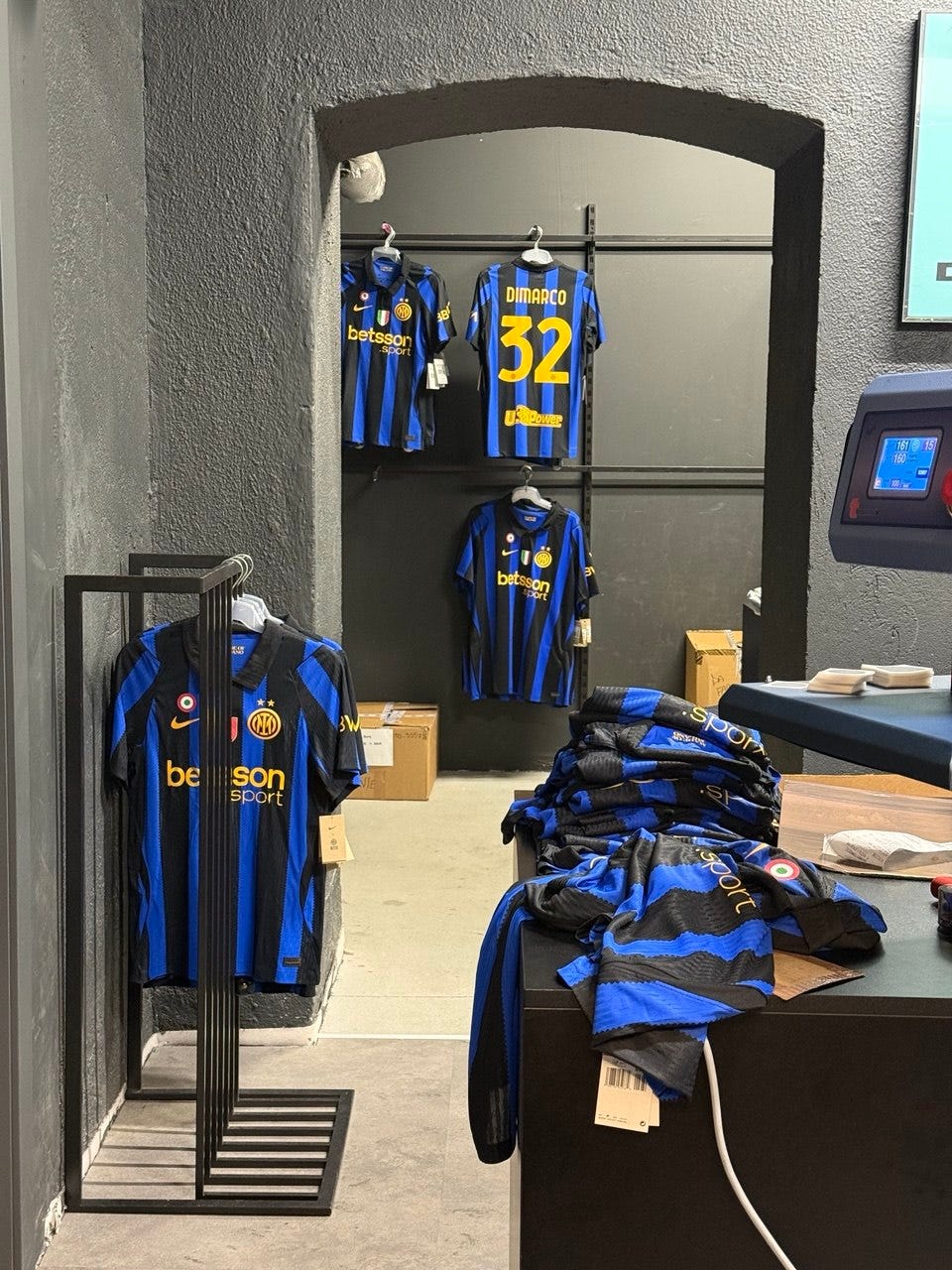
Image for illustration purposes only.
Let’s imagine a situation: 12 of the largest companies in their market segments announce the launch of a huge joint project. The prospects are excellent: profits growing several times over, freedom from regulators, no risk of losing the market. But suddenly the loyal fans of each brand rise up against the initiative. The project dies within 48 hours.
This is a true story. In 2021, 12 of Europe’s biggest football clubs (Real Madrid, Barcelona, Atlético Madrid, Juventus, AC Milan, Inter, Manchester United, Manchester City, Liverpool, Chelsea, Arsenal, Tottenham) announced that they were creating their own football Super League. From a business perspective, the decision was flawless: guaranteed league places for the founding clubs, predictable revenue from broadcasting. Any board of directors would have considered this decision ideal.
The Super League was first talked about in 2017–2018. The idea was simple: the giant clubs combine their audiences, every match is a super match, complete independence from UEFA. No more need to play against Europe’s mid-table teams and share money with them. It would seem that the fans should be the happiest of all: more money for their favorite clubs, more spectacle, more emotions.
But it was the supporters who buried the Super League idea. After the announcement in England, Chelsea fans staged protests against the league right outside Stamford Bridge stadium, and Arsenal and Manchester United supporters defiantly burned club merchandise. Slogans became popular: “Created by the poor, stolen by the rich,” “Rest in peace, football (1863–2021),” and “Against football for the elite.”
The fans applied so much pressure that the club owners became afraid of a complete loss of reputation and a boycott of home matches. This is what forced them to urgently start the process of withdrawing from the project. By the end of the third day, Liverpool’s principal owner even recorded a video address to the supporters in which he apologized for taking part in the project.
Why the Fans Rebelled
The football superclubs failed to take one simple thing into account: fans start supporting their clubs from childhood and usually never change their preferences for the rest of their lives. Often it is even a family story: a father brought his son to the stadium, and later the son takes his own children to the stands. And each time it is a deeply personal story with emotional ups and downs: years without titles, failed transfers, expensive tickets, relegations to lower divisions and promotions to the top flight. These experiences are personal; he pours his soul into the club, and this gives him the right to feel part of it. And now he no longer says “Club X lost,” but “We lost.” He becomes a co-owner of the team, not a customer.
This kind of loyalty has one unwritten rule: if you deceive us, we will destroy you. The Super League broke it twice.
First, the teams designed the new tournament in secret from their supporters. Second, it would have killed the very idea of football. The league’s rules implied that the founding clubs (there were supposed to be 15 of them) could not be relegated and would remain forever, while another 5 teams would get in on a rotating basis. This would have destroyed the sporting principle, the intrigue, and centuries-old traditions in which any modest team has a chance to fight its way to the top.
Business Works by the Same Rules
In business, everything works the same way, it’s just that passions run lower there. Take the example of Coca-Cola. In 1985, the corporation launched a product with a new formula — New Coke. It was the one most often chosen by consumers in blind tests involving 200,000+ people. Despite this, upon learning that the product was being replaced, consumers were furious: they hadn’t been asked, their emotions hadn’t been protected, their trust had been abused. The company received more than 40,000 angry calls. The outcome: 79 days later, the company brought back the original recipe under the name Coca-Cola Classic.
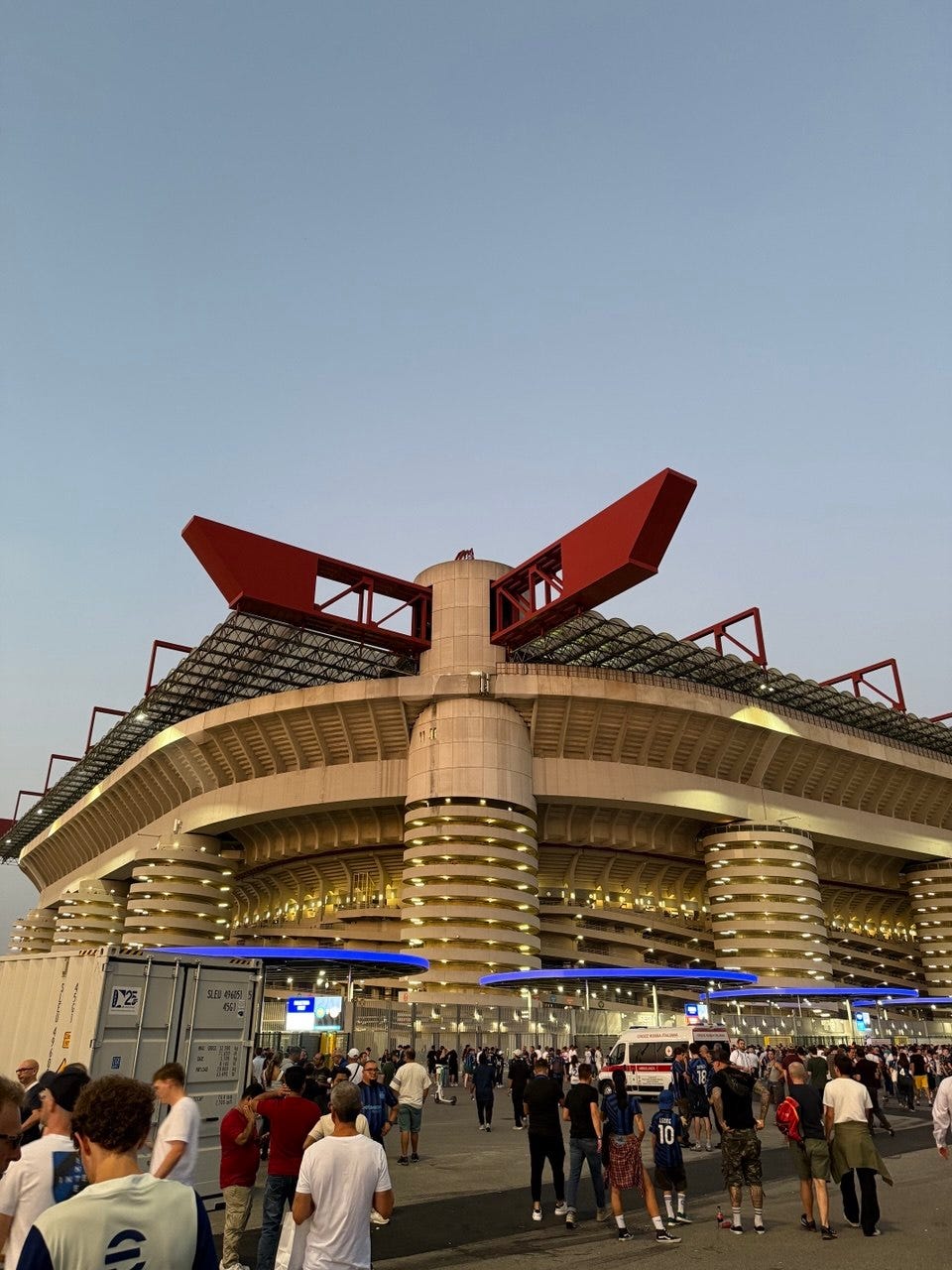
Image for illustration purposes only.
A more recent example is Netflix. In 2011, the company split its single plan for streaming and DVD-by-mail into two separate offerings. For those who used both services, the price rose by about 60%. Two months later, the company apologized for how it had presented this news and announced that the DVD business was being spun off into a separate company under a new brand, Qwikster. The business logic was flawless, but customers saw it as a betrayal: their familiar Netflix was being taken away from them, and they were being pushed to use two services while paying more. Three weeks later, the initiative was cancelled. In the third quarter, the company lost about 800,000 subscribers in the US, and its shares fell by about 77% from July to November.
What This Means for Any Business
From these stories, we can draw several lessons that will help any business avoid turning its relationship with its audience into a walk through a minefield.
Make a list of the things that cannot be changed without the audience’s consent and/or preparation. You will find this list where customers claim part of your brand as their own, saying “our” and “my”: symbols, rituals, promises, memories. You certainly won’t foresee everything, but you will find the main pain points.
Test changes. Simply put the new product (approach, logo) next to the old one and see what people choose.
Talk to your audience before the official announcement. Doing it the other way around always looks like an attempt to justify yourself.
Don’t count on rational arguments outweighing an emotional loss. The Super League’s financial model was logical, the New Coke tests were convincing.
But audiences value what is being taken away from them far more than what they are being given.